James Hobart
James Hobart, called Hobie by everyone who knows him, is a master cabinetmaker and furniture restorer who, after the death of his business partner Welton Blackwell in the museum bombing, becomes the anchor and surrogate father for the orphaned Theo Decker. A large, gentle, and absent-minded man with the hands of a craftsman and the soul of a poet, Hobie runs the workshop below the Hobart and Blackwell shop on West Tenth Street, a place he calls "the hospital" for crippled antiques. His quiet, principled life stands in stark contrast to the chaos and deceit that surround Theo, and he offers the boy the first stable, loving home he has known since his mother's death.
Identity and Background
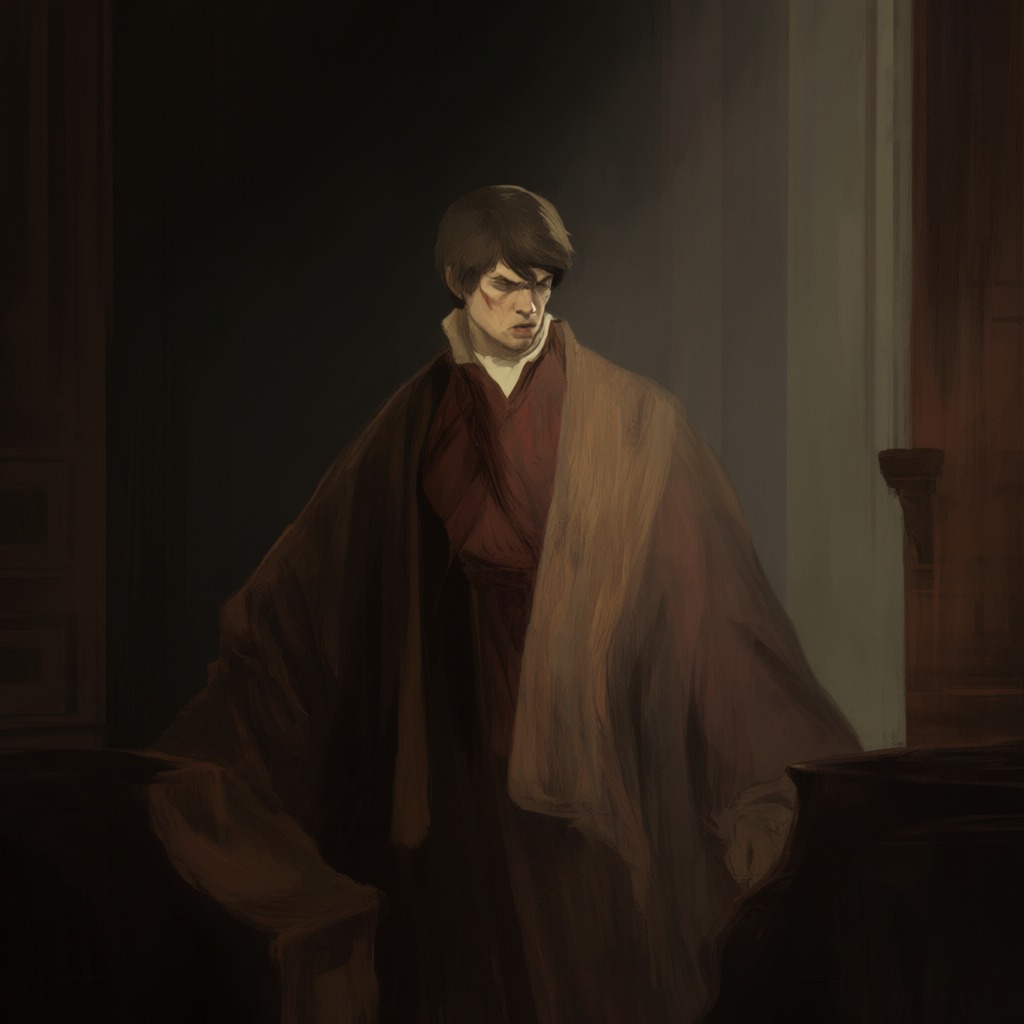
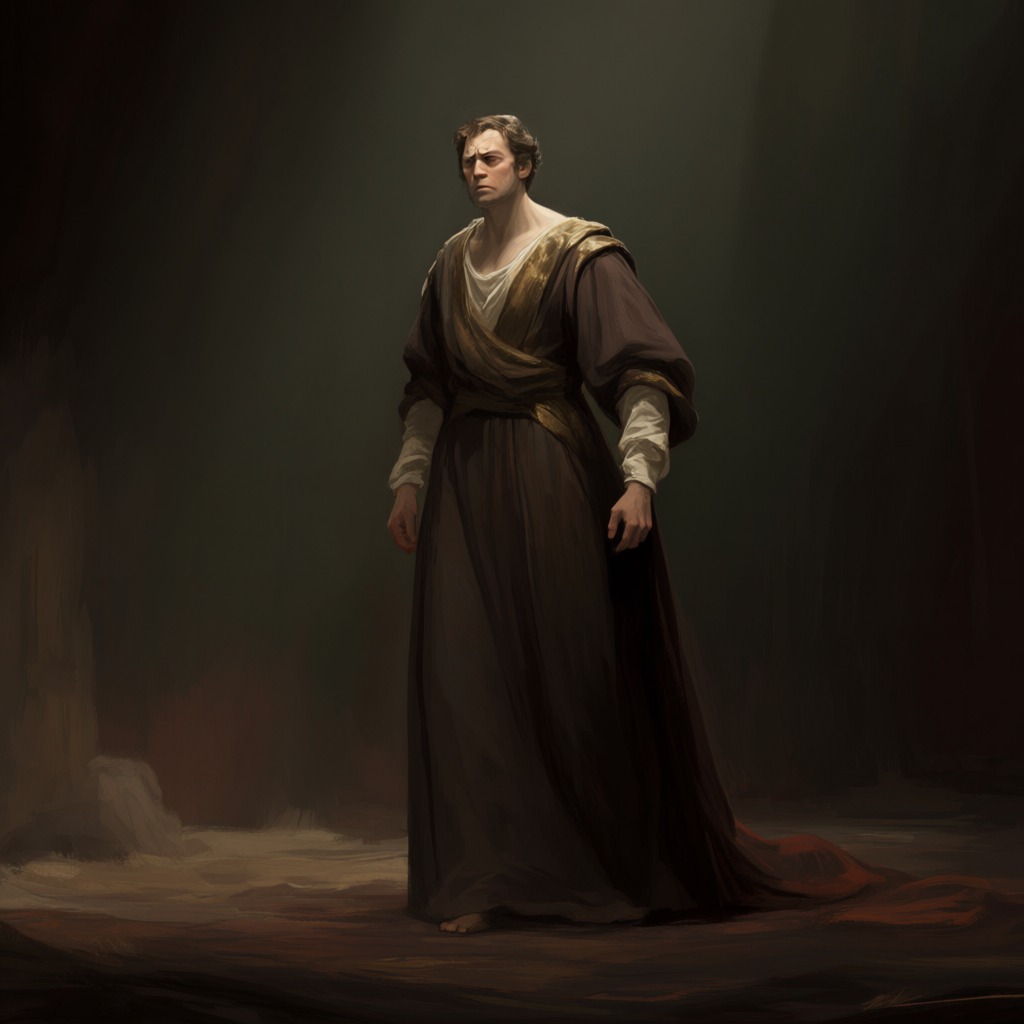
Hobie is a man of immense physical presence—six foot four or five, with a haggard, noble jaw and an unhealthy pallor—but his manner is gentle and self-deprecating. He was born into a difficult family; his father, who owned a famous trucking company, was a brutal man who beat him and forced him to work loading trucks after school, refusing to pay for his college education. Hobie's escape came when Welty Blackwell, a customer who witnessed one of his father's tirades, offered him a job packing furniture. Hobie packed a suitcase, hitched a ride to New York, and never looked back. He learned his craft from an old, nearly blind restorer named Abner Mossbank, standing at his back in utter silence, absorbing techniques that were "hanging by a thread." His grandest boyhood ambition was to be a professor of history at Notre Dame, but he found his calling in the workshop, which he describes as "just a different way of working with history."
The Workshop and the Art of Restoration
Hobie's workshop, the "shop-behind-the-shop," is a treasure cave of gilded cupids, dismembered chairs, and claw-foot tables, smelling of turpentine, oil paint, and varnish. He treats furniture with a living, creaturely quality, referring to pieces as "he" and "she," and running his hand along their flanks like pets. He teaches Theo to identify reproductions by their too-even wear, machine-cut edges, and a flat, dead quality of wood that lacks the glow that comes from centuries of being touched. His philosophy of restoration is one of reversibility and respect for the future: "Always remember, the person we're really working for is the person who's restoring the piece a hundred years from now." He is a master of creating "changelings"—beautiful Frankensteins made from salvaged parts of genuine antiques—but he never sells them as originals, a scruple Theo later violates. Hobie's own work is so convincing that it can fool even experienced buyers, but he himself is blind to its market value, seeing only the craft.
Relationship with Theo Decker
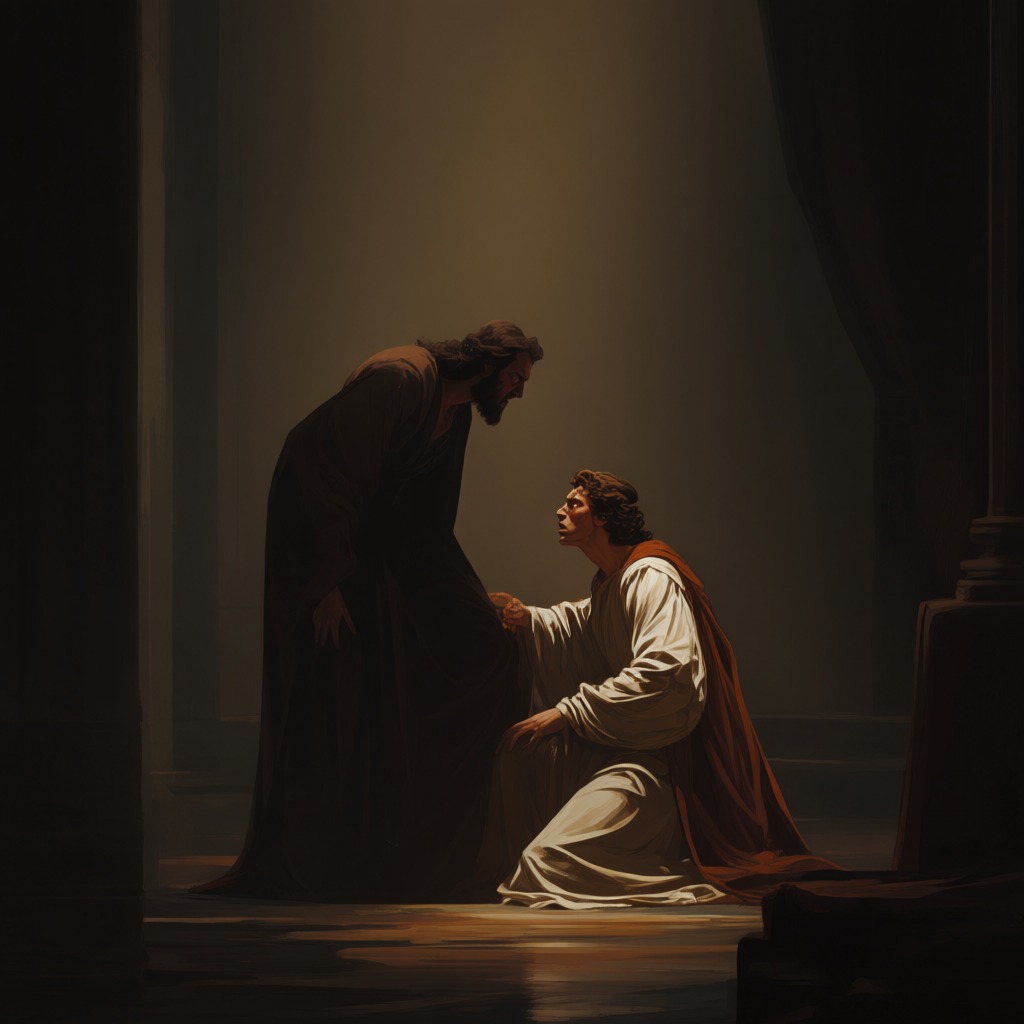
When Theo arrives on his doorstep, filthy, feverish, and carrying a small dog, Hobie takes him in without hesitation. He recognizes Theo as the boy whose mother died in the museum, and his hug is "strong and parental, and so fierce that it made me cry even harder." Hobie treats Theo as a companion and conversationalist in his own right, never prying but offering a steady, reassuring presence. He teaches Theo the trade—the pore and luster of different woods, the difference between ebonized wood and true ebony, how to identify a reproduction by feel—but more importantly, he provides a moral compass. When Theo confesses to selling Hobie's "changelings" as genuine antiques, Hobie is deeply shaken but not angry; he takes partial blame for keeping his head in the sand and insists they must buy back every piece to protect the shop's reputation. He tells Theo, "Dealers live by their reputations. It's the honor system." This moment of crisis reveals the depth of Hobie's integrity and his commitment to Theo, whom he has come to love as a son.
Relationships and the Wider World
Hobie is a beloved figure in the New York antiques world, known for his kindness and his unworldly generosity. His friends include Moira DeFrees, a dealer in nineteenth-century watercolors, and a circle of professors, opera-orchestra ladies, and preservation-society figures. He is also connected to the Barbour family, having done work for them in the past, and he knows Samantha Barbour by reputation. His relationship with Welty Blackwell was one of deep friendship and mutual respect; Welty was the outgoing salesman to Hobie's introverted craftsman. After Welty's death, Hobie is lost, unable to run the business side of the shop, and he relies on Theo to revive it. He also cares for Welty's niece, Pippa, whom he raised after her mother died, and he is devastated when her aunt Margaret takes her to Texas. His love for Pippa is evident in his careful, worried manner when discussing her health and his determination to visit her for Thanksgiving.
Change and Ending
Hobie remains a constant, grounding force throughout Theo's turbulent life. He is the one person Theo trusts completely, and the one person whose good opinion he fears losing. When Theo returns from Amsterdam after the shootout and the recovery of the painting, Hobie confronts him about the furniture fraud and the accusations from Lucius Reeve. Theo confesses everything, including the theft of the painting, and Hobie listens in stunned silence. But instead of casting him out, Hobie reflects on the strange turns of fate, showing Theo a photograph of Welty as a boy in Cairo, standing beneath a copy of The Goldfinch. He tells Theo that Welty loved the painting from childhood, and that its loss and recovery are part of a larger, mysterious pattern. In the end, Hobie's forgiveness and understanding offer Theo a path toward redemption, a reminder that even the most broken things can be restored.